

เทรดหุ้นออนไลน์กับสิ่งที่ควรรู้ก่อนเข้าเทรด Forex
ประสบความสำเร็จในการเทรดหุ้นออนไลน์ หรือการเทรด Forex ได้อย่างง่ายดาย ด้วยการเรียนรู้กลยุทธ์ทำกำไรได้อย่างมีประสิทธิภาพ เพราะต้องยอมรับเลยว่าการเทรด Forex จะเป็นการลงทุนที่มีความเสี่ยงสูงเป็นอย่างมาก แต่ก็จะมีกำไรที่สูงเช่นเดียวกัน จนทำให้เทรดเดอร์หลาย ๆ คนผันตัวมาเป็น Trader Full Time…

มือถือ Realme รุ่นไหนน่าสนใจ 2023
มือถือ Realme เป็นอีกหนึ่งแบรนด์สมาร์ทโฟนที่ได้รับความสนใจ เพราะความคุ้มค่าในด้านของฟังก์ชันการใช้งาน และระดับราคา ที่ถูกออกวางจำหน่ายมาอย่างคุ้มค่าและเหมาะสม โดยที่ในด้านของฟังก์ชันการใช้งานส่วนต่าง ๆ นั้น ก็จัดว่ามีความหลากหลายและสามารถตอบโจทย์การใช้งานของผู้ใช้งานในทุกมิติ จึงทำให้มือถือ Realme กลายเป็นอีกหนึ่งตัวเลือกในตลาดมือถือที่กำลังมาแรงมากๆ วันนี้มาดูกันดีกว่าจะมีมือถือ…
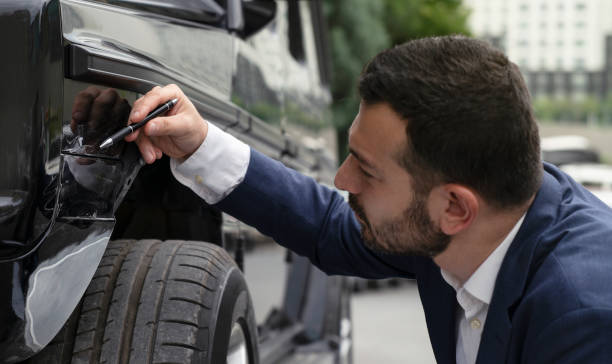
รวมรถยนต์สุดเจ๋งตัวใหม่ที่ใครๆ ต่างถามหา
บทความนี้เราได้รวบรวมรถยนต์สุดเจ๋งตัวใหม่ที่ใครๆ ต่างถามหามาฝากเพื่อนๆ ชาวรักรถกัน รับรองว่าแต่ละตัวที่คัดมานั้นเด็ดดวงอย่าบอกใครเลยล่ะ เอาเป็นว่าอย่ามัวเสียเวลา เราไปดูกันเลยดีกว่าว่ารถยนต์สุดเจ๋งตัวใหม่ที่ใครๆ ต่างถามหาที่เราคัดมานั้นมียี่ห้อใดรุ้นใดกันบ้าง รวมรถยนต์สุดเจ๋งตัวใหม่ที่ใครๆ ต่างถามหา รถยนต์สุดเจ๋งตัวใหม่ที่ใครๆ ต่างถามหา คือ ALL-NEW TOYOTA COROLLA…

อินฟลูเอเซอร์หน้าใหม่ไม่ควรพลาด! วิธีเพิ่มยอดคนติดตามใน Tiktok
หากจะให้พูดถึงแพลตฟอร์มที่ได้รับความนิยมมากที่สุดในปัจจุบัน คงจะหนีไม่พ้น Tiktok อย่างแน่นอน เพราะยอดผู้ใช้งานแพลตฟอร์มนี้เพิ่มขึ้นอย่างรวดเร็ว ยิ่งในช่วงโควิดด้วยแล้ว จะมีผู้เข้าใช้งานหน้าใหม่เพิ่มขึ้นเป็นจำนวนมาก ส่งผลให้แพลตฟอร์มนี้กลายเป็นแหล่งรวมตัวของกลุ่ม Millenial และ Gen Z เลยก็ว่าได้ ดังนั้นทางแบรนด์ต่าง ๆ…

Youtube ช่องทางการตลาดที่น่าสนใจมากที่สุดในปัจจุบัน!
ในปัจจุบันธุรกิจต่างเต็มไปด้วยการแข่งขันมากมาย เจ้าของธุรกิจทุกคนจะต้องรู้จักปรับตัว เพราะผู้ที่มองเห็นช่องทาง และรู้จักปรับตัวให้เข้ากับเทรนด์ก่อน คือผู้ที่มีโอกาสที่จะเติบโตก่อนนั่นเอง และในปัจจุบันแพลตฟอร์มต่าง ๆ ล้วนขายสินค้าหรือทำธุรกิจได้ทั้งสิ้น และอีกหนึ่งแพลตฟอร์มออนไลน์ที่ได้รับความนิยม และกำลังเป็นกระแสมากที่สุด ได้แก่ Youtube นั่นเอง ซึ่งเป็นสื่อโซเชียลในรูปแบบวิดีโอที่ทุกคนต่างคุ้นหน้าคุ้นตากันเป็นอย่างดี และก็คงปฏิเสธไม่ได้เช่นเดียวกันว่า…

เหตุผลที่ร้านค้าออนไลน์ควรมีเว็บไซต์เป็นของตนเอง ที่ร้านค้าออนไลน์ทุกร้านไม่ควรพลาด!
เมื่อ 2-3 ปีที่ผ่านมา ร้านค้าและธุรกิจต่าง ๆ ได้พบเจอกับวิกฤตโรคระบาดกันอย่างต่อเนื่อง ซึ่งจะถือเป็นสิ่งที่ทุกคนไม่สามารถหลีกเลี่ยงได้ เพราะโควิดได้ระบาดไปทั่วโลกนั่นเอง ดังนั้นทุกคนจะต้องปรับเปลี่ยนการใช้ชีวิต และปรับเปลี่ยนการทำงาน ซึ่งบางคนอาจจะเปลี่ยนจากหน้ามือเป็นหลังมือเลยก็ว่าได้ สำหรับใครที่จำเป็นต้องทำงานข้างนอกบ้านก็ต้องใส่หน้ากากอนามัยตลอดเวลา และเมื่อมีวิกฤตนี้เข้ามา หลาย ๆ…